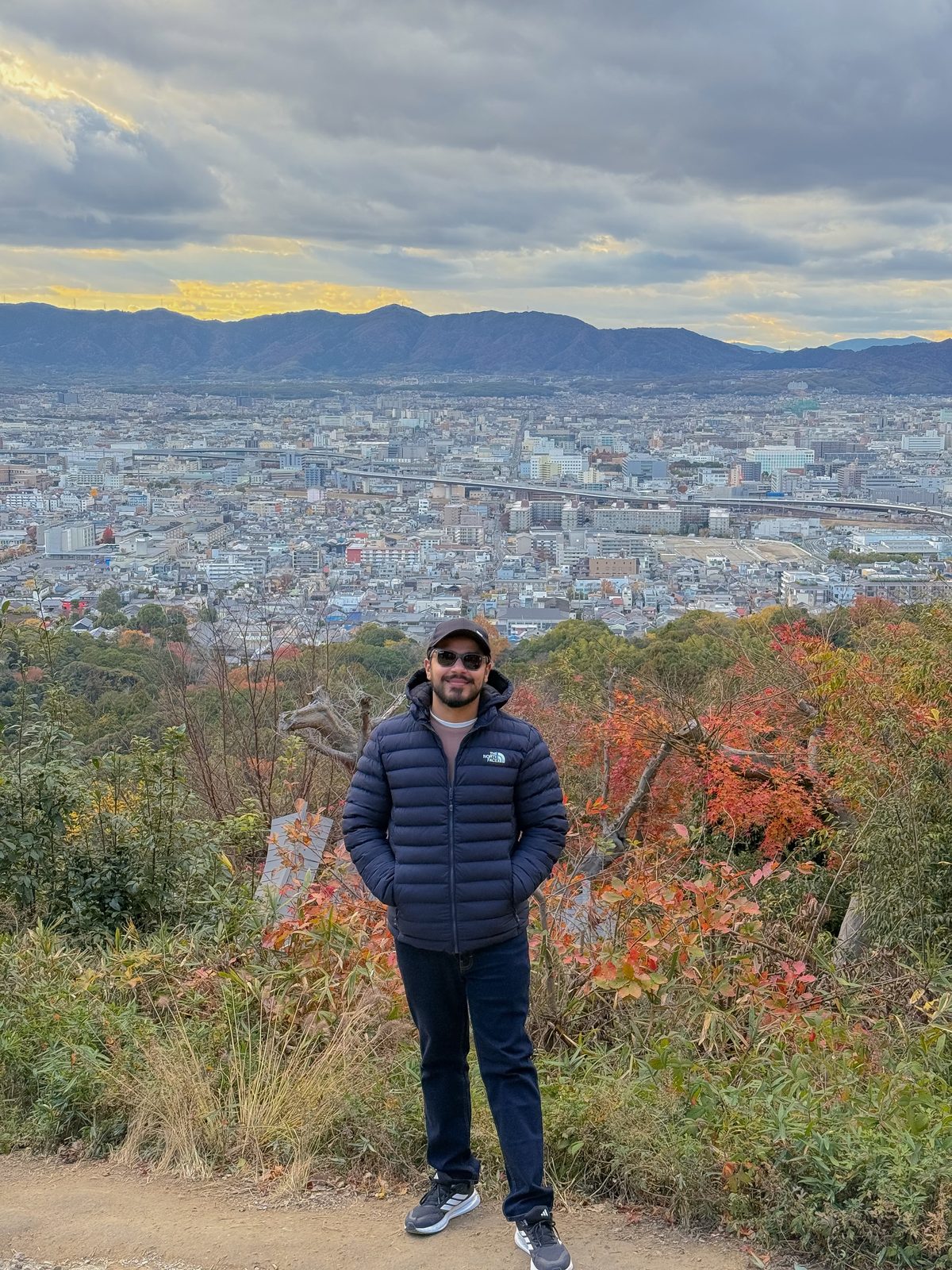
Japan's cities hold tens of millions of people — and somehow, standing on a train platform at rush hour, the loudest thing I heard was the announcement chime. Nobody shouts. Nobody pushes. An entire society has collectively agreed not to be noise. Coming from Dubai, a city I love for its energy, this was the first thing that rewired my brain.
I went expecting the postcard version: temples, ramen, bullet trains. I got all of that. What I didn't expect was to spend the whole trip taking notes like an engineer — because Japan, more than any country I've visited, feels designed. The train arrives at 09:04 because the timetable says 09:04. The taxi door opens itself. The convenience store clerk hands you your change with both hands, like it matters. Everything has been thought about by someone who cared.
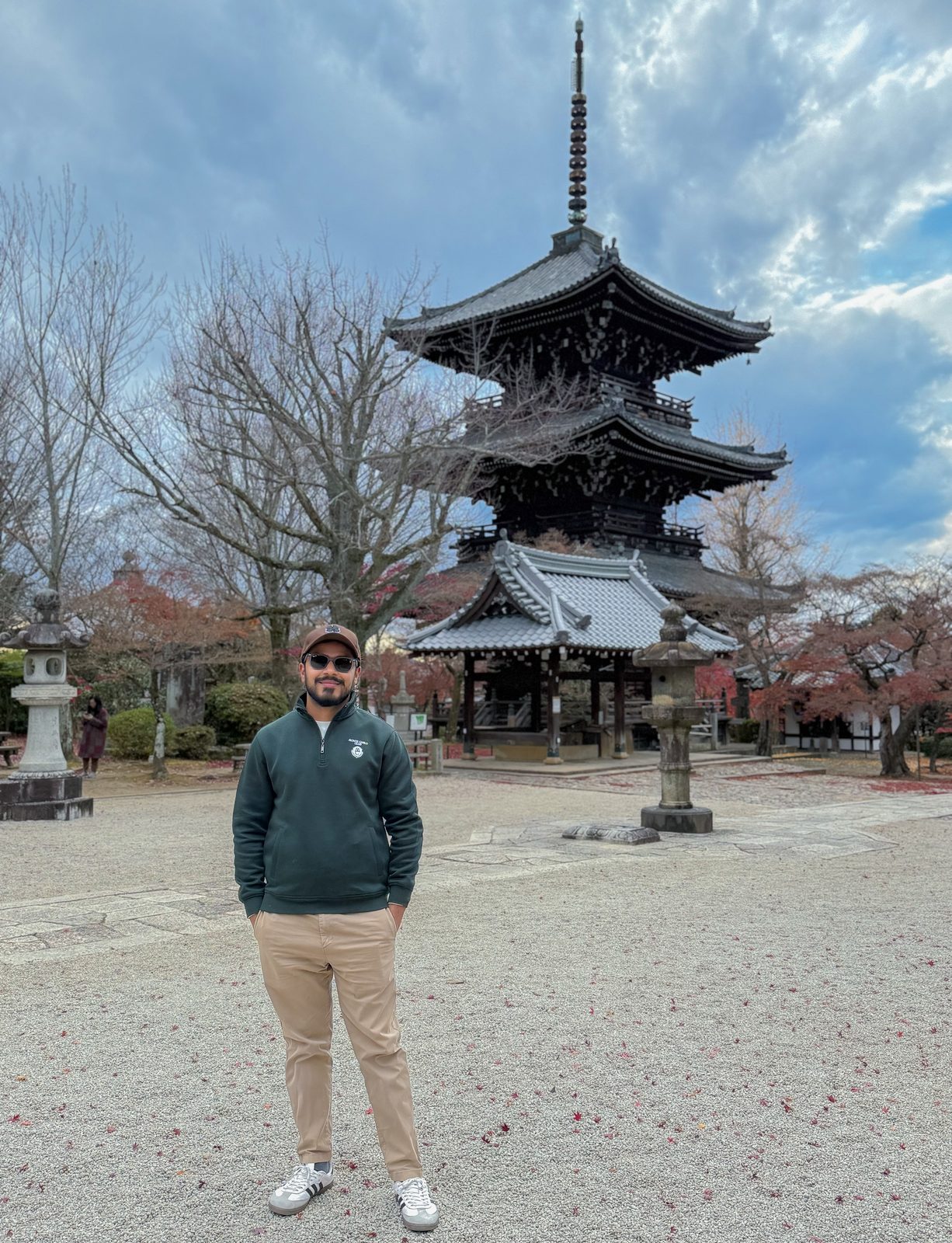

The things that stayed with me
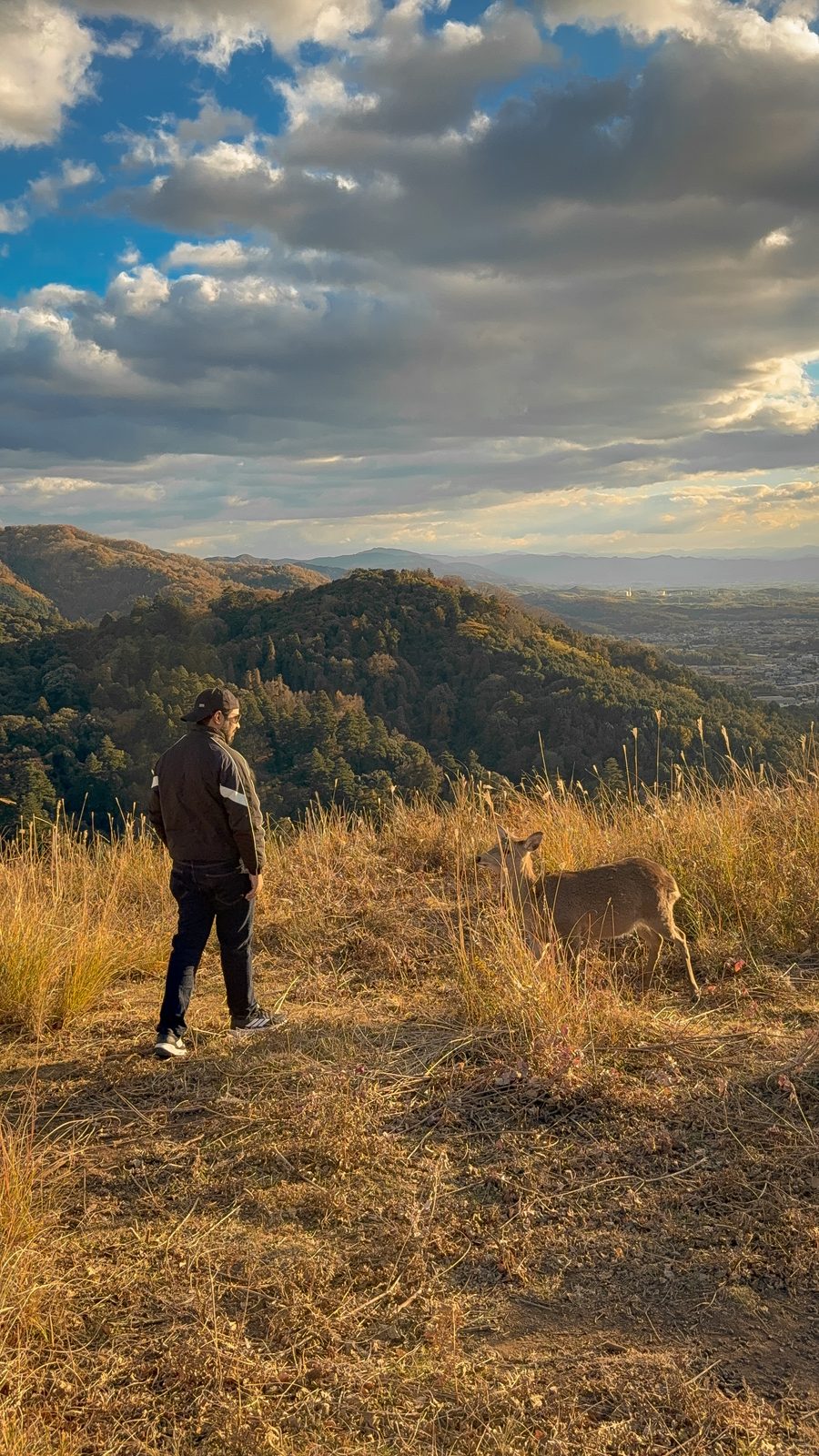
The deer of Nara bow back. On a hillside above Nara, wild deer wander freely between visitors — they've shared this ground with the temples for over a thousand years, and locals treat them as sacred messengers. One walked up beside me at sunset like we'd arranged to meet there. No fences, no chaos. Just an equilibrium that everyone, human and deer, quietly respects.
Old and new don't compete — they take turns. At Arashiyama, an ancient wooden bridge crosses the river against mountains on fire with autumn color; an hour later you're back among glass towers and nobody thinks this is a contradiction. As someone from Sialkot — a city doing century-old craftsmanship with modern export logistics — this made deep sense to me.


Osaka is the exception that proves the rule. Dotonbori is neon, noise and street food stacked five stories high — Japan letting its hair down. Even here, the crowd flows like it's been choreographed. The takoyaki was worth every minute of the queue.
The food is a discipline. A ramen chef who has made the same bowl for thirty years is not bored; he's iterating. Version 10,000 of the same broth. There's a lesson about mastery in there that I think about when I'm rebuilding the same VPC architecture for the fifth time until it's clean.
What Japan taught the engineer in me
Reliability is a culture before it's a technology. The Shinkansen's average delay is measured in seconds, and that's not because of one genius system — it's ten thousand small disciplines stacked together, maintained by people who take pride in the part nobody sees. That is exactly what good infrastructure work is. When I design for high availability now, I think about Japan: it's not the big architectural decision that keeps things running, it's the accumulated care in the small ones.
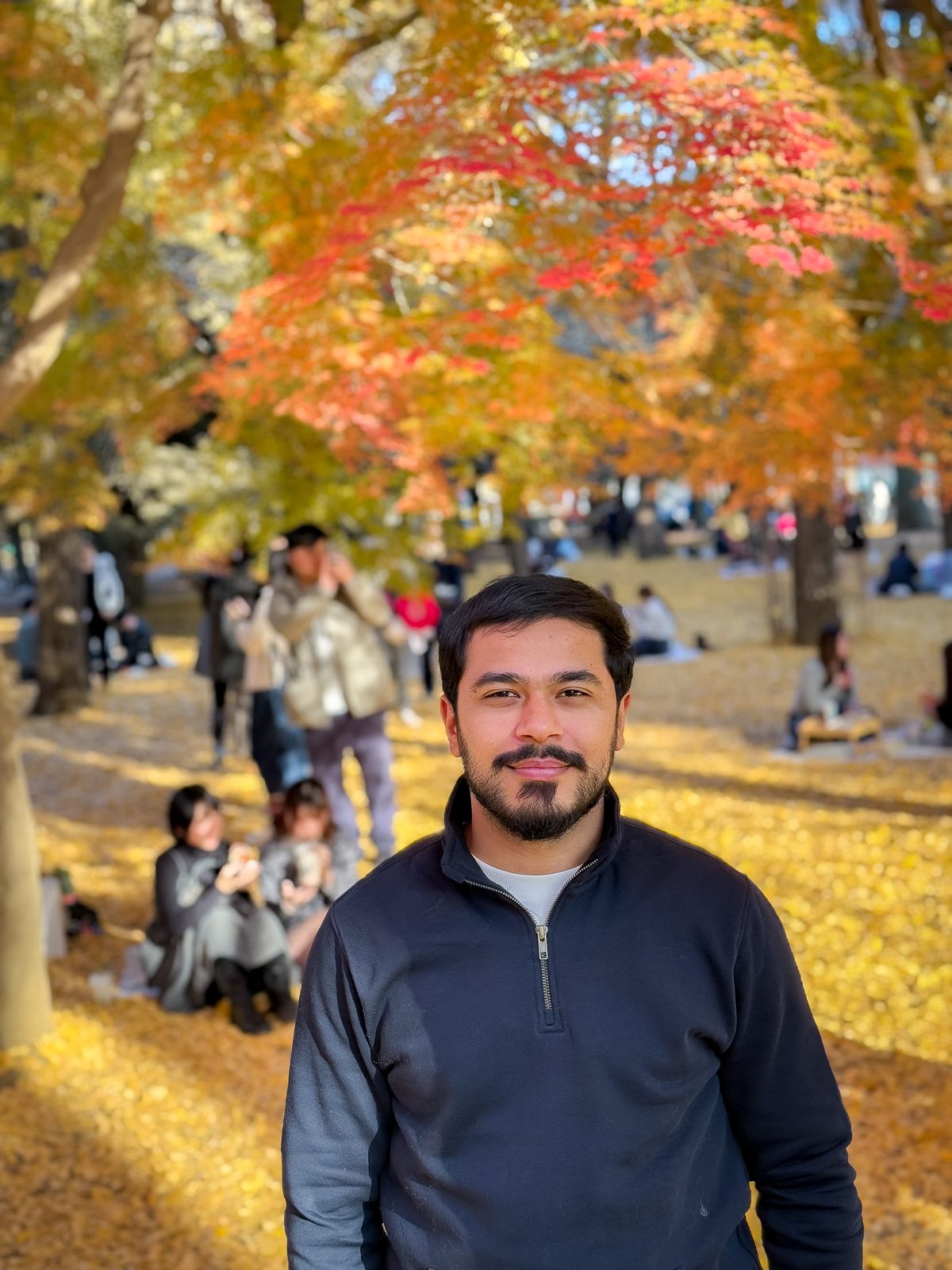
I left at 6 a.m., and the airport cleaning crew bowed to the plane as it pushed back from the gate. Nobody was watching. They did it anyway. That's the whole country in one image.